
USA – 11 Aug 2026
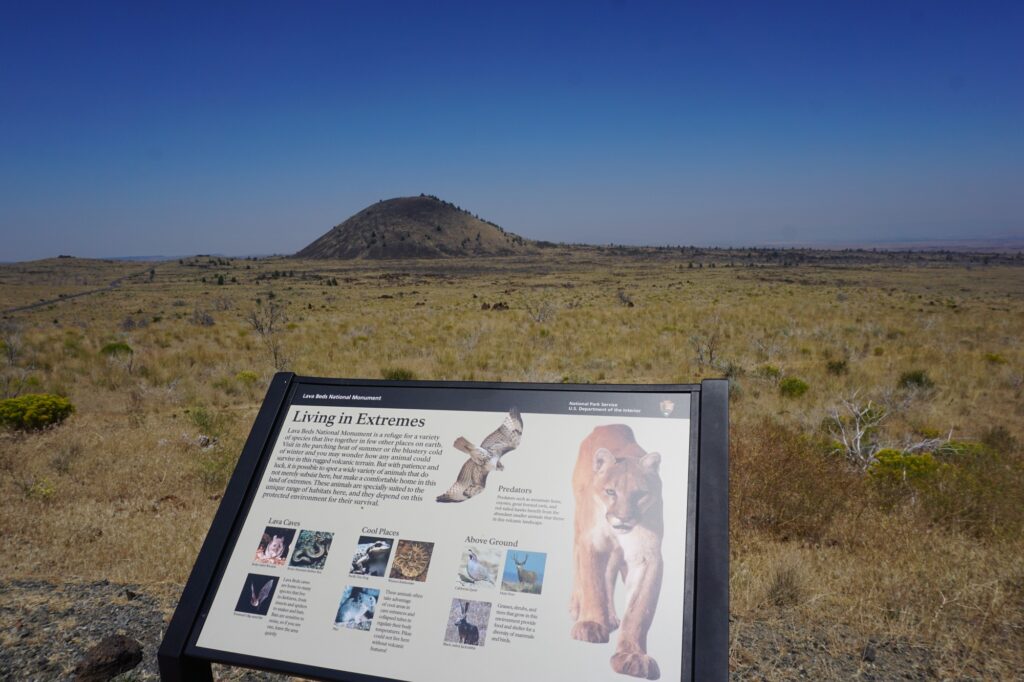
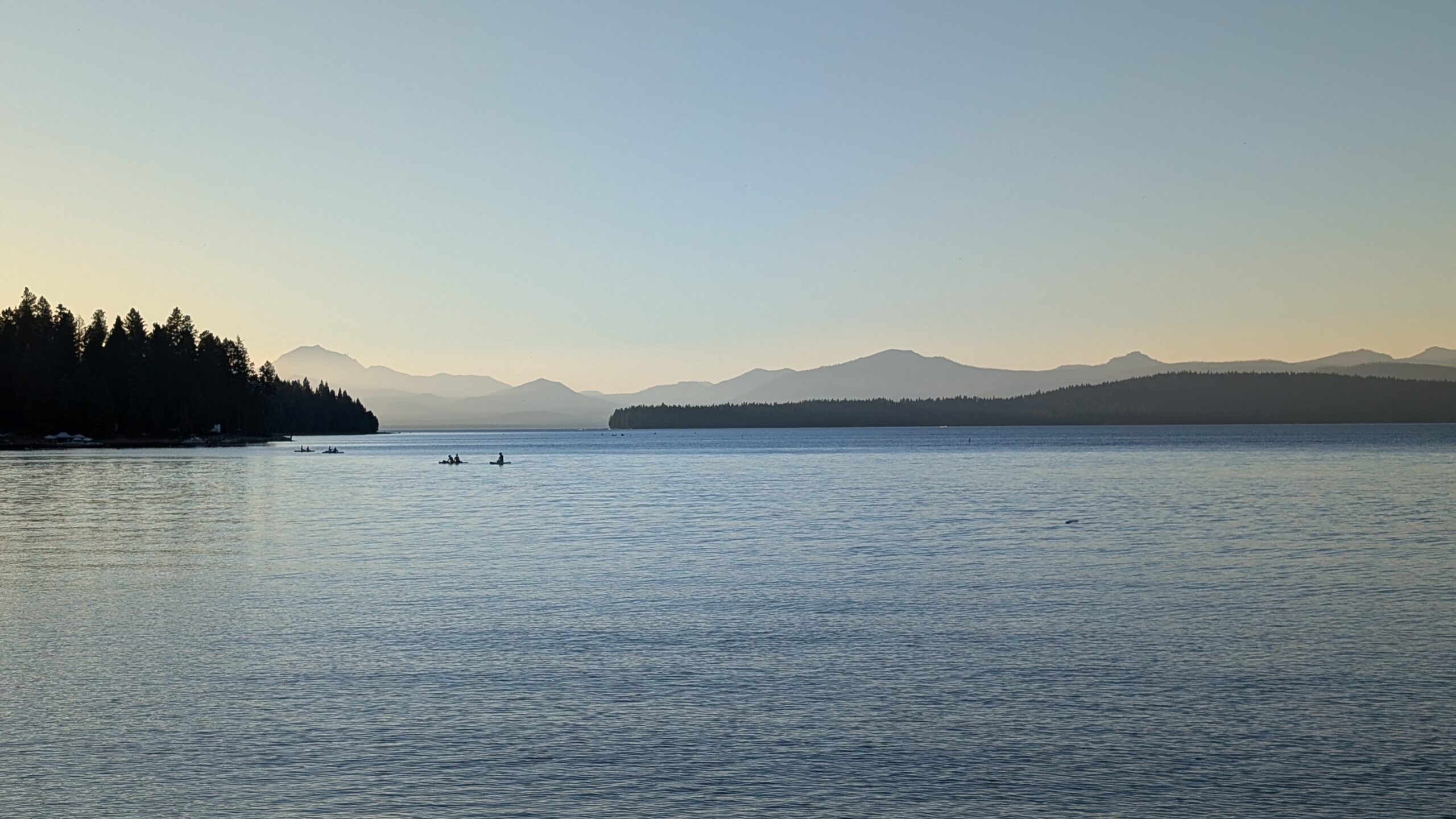
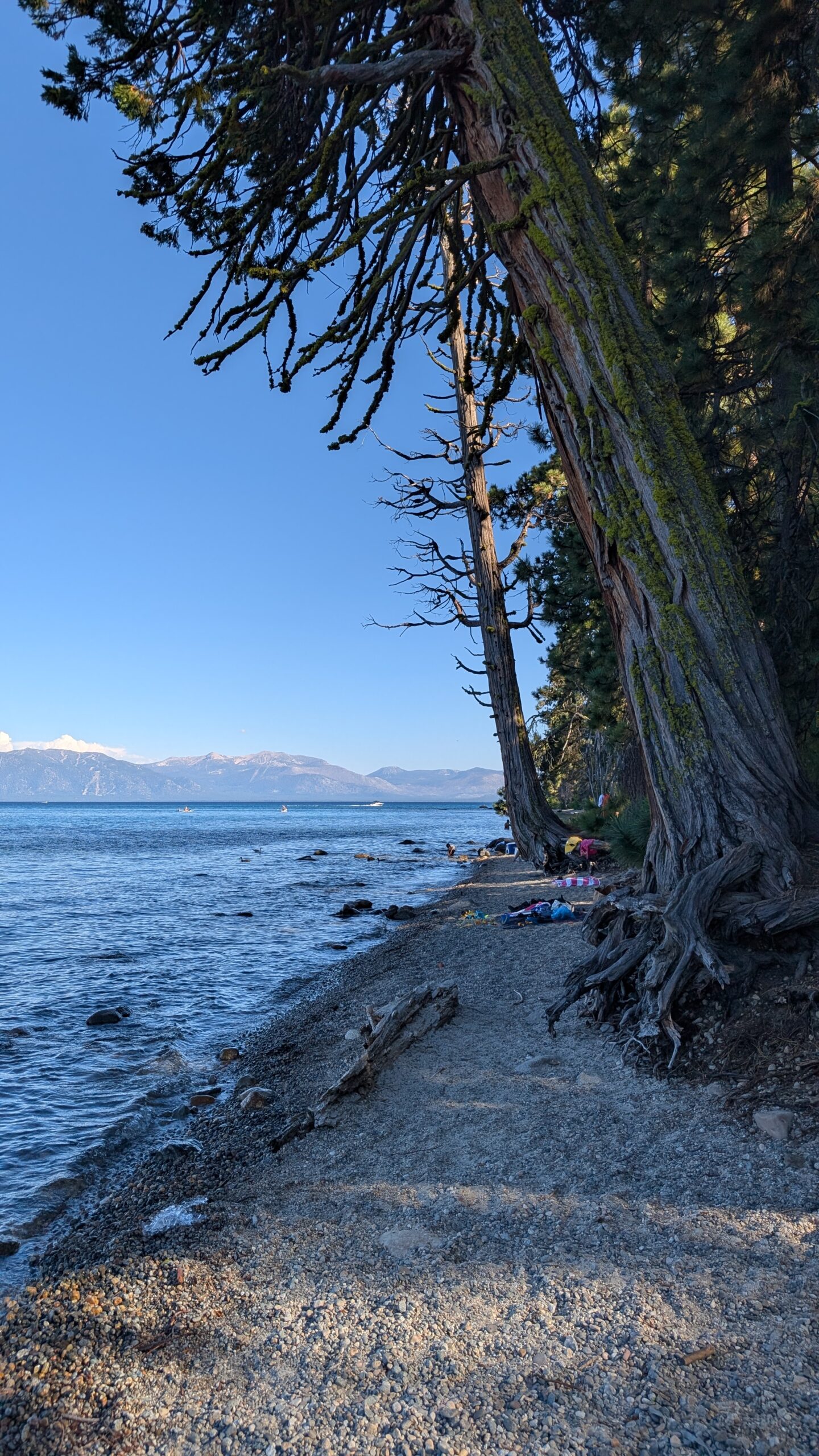
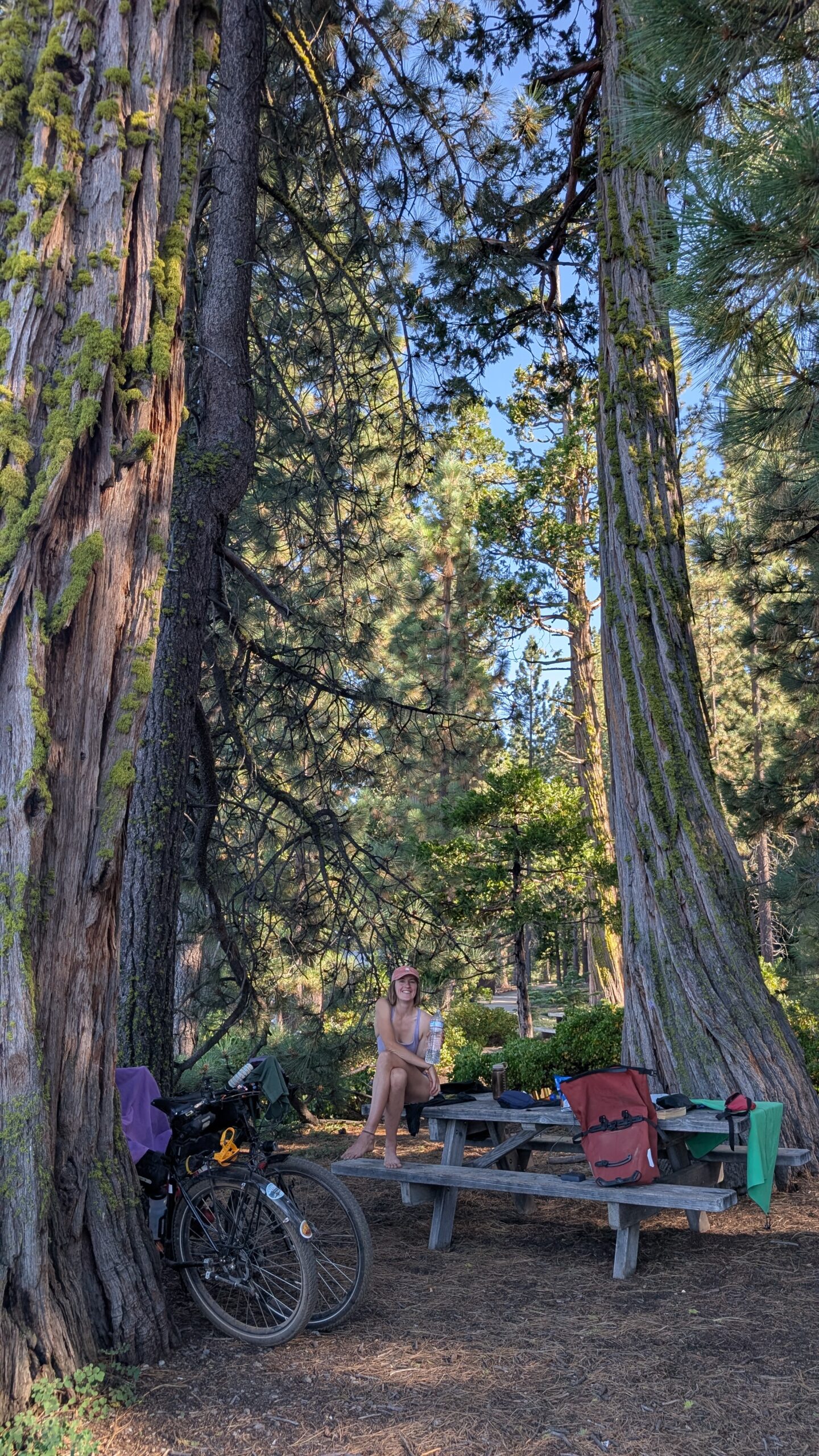
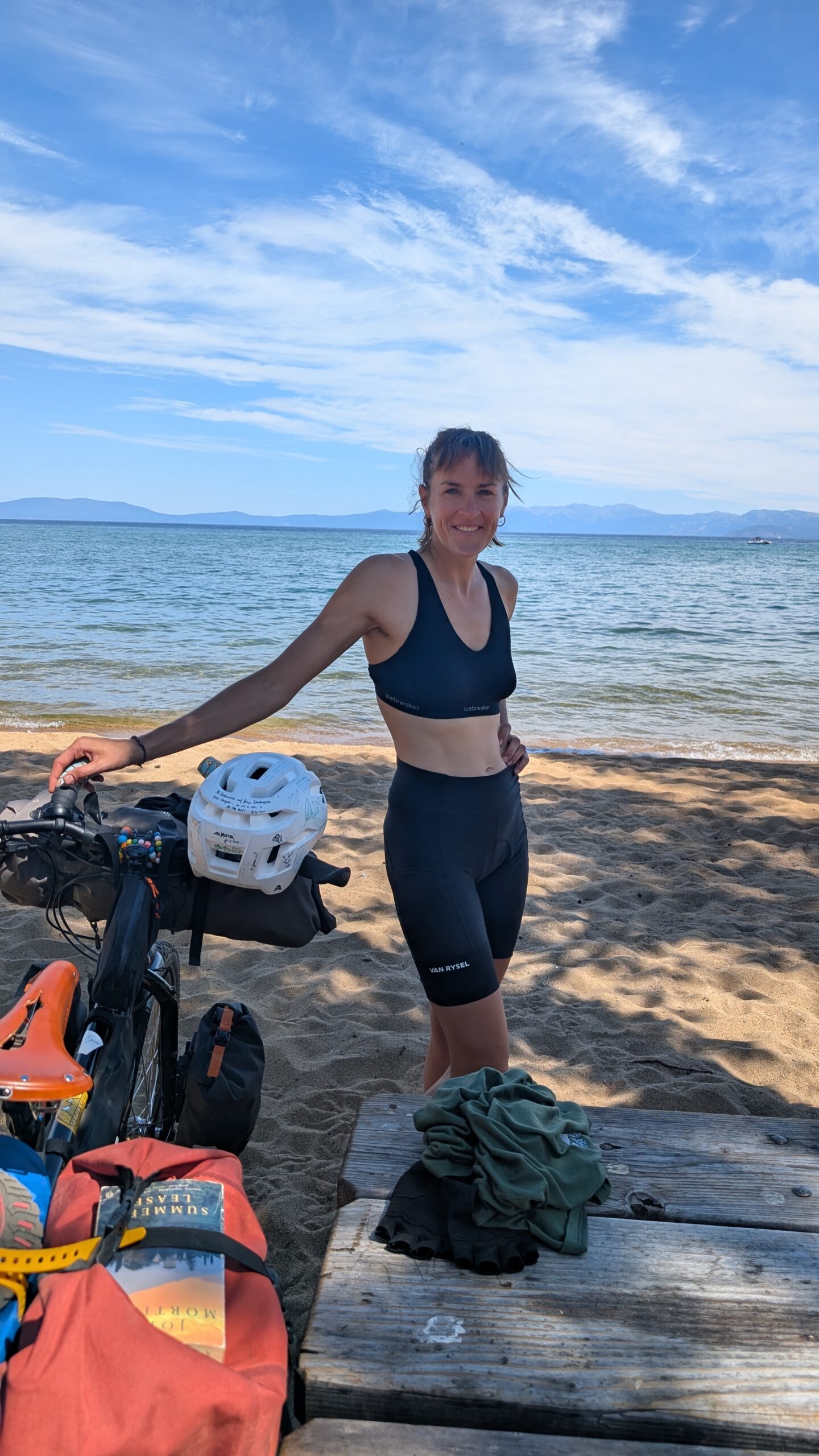
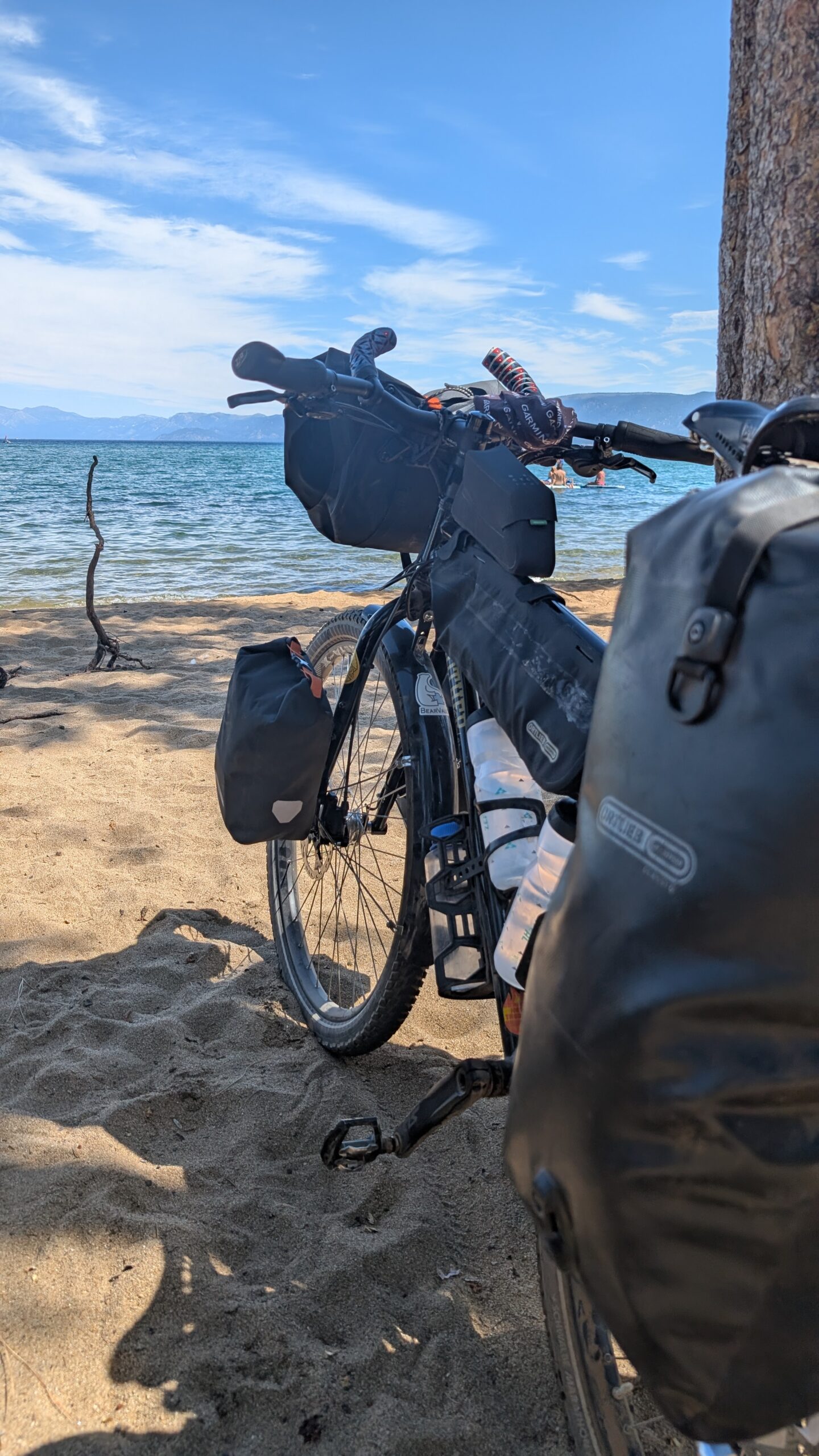
It feels paradoxical to be writing these lines on a computer when I am sitting at a wooden table in a small campground, without running water or electricity, at an altitude of 2,000 metres, just a few kilometres from that famous national landmark, Lake Tahoe. (see picture below)
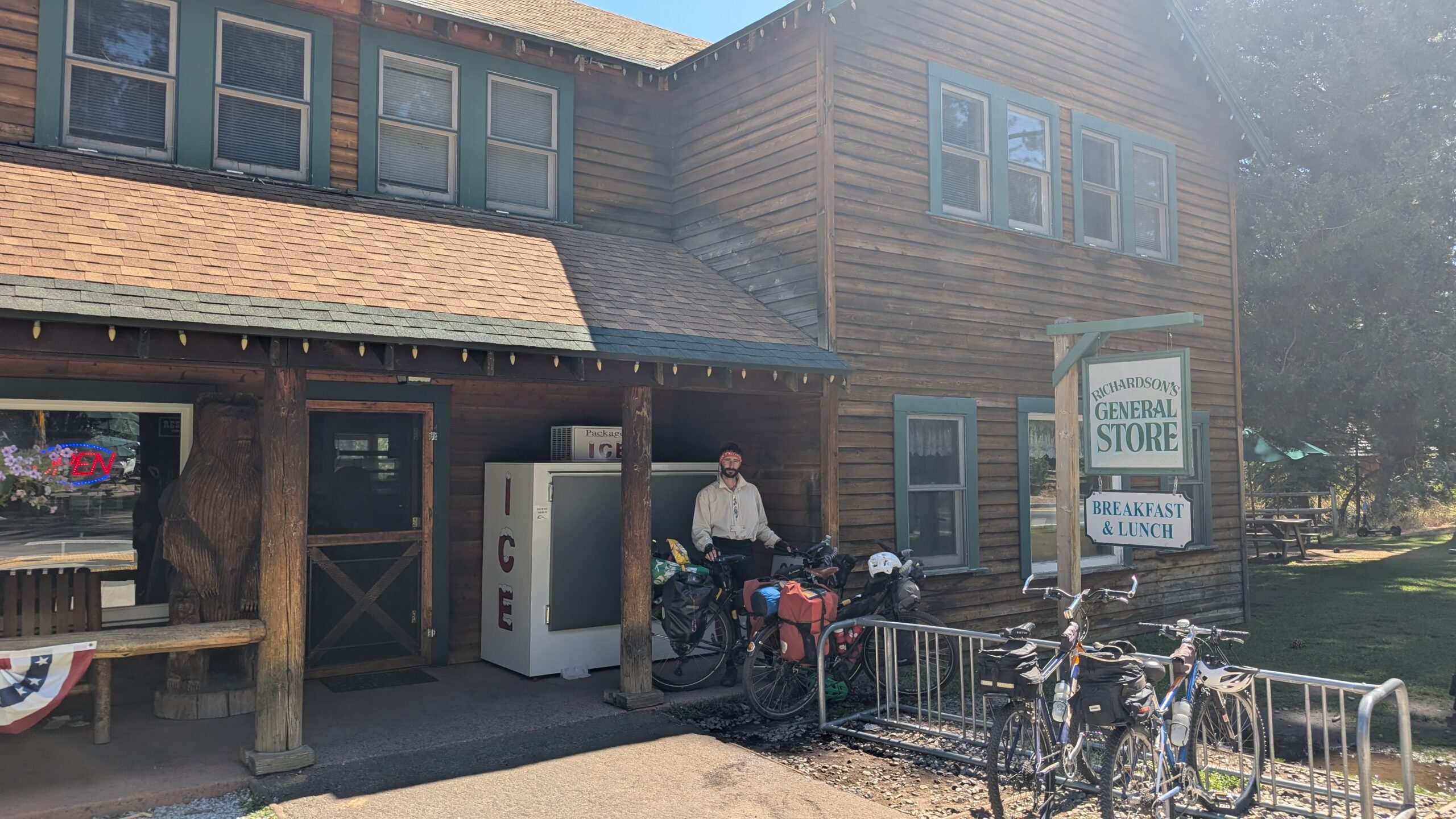
For me (Paul), these past three weeks have been anything but restful. The introduction to this journey — the hours spent in the saddle, the early morning wake-ups, the suffocating desert heat, as well as the smoke from wildfires — has been tougher and more exhausting than I had imagined. That being said, this should be balanced by our surprisingly strong ability to adapt to all these elements, which has given us a second wind over the past few days.
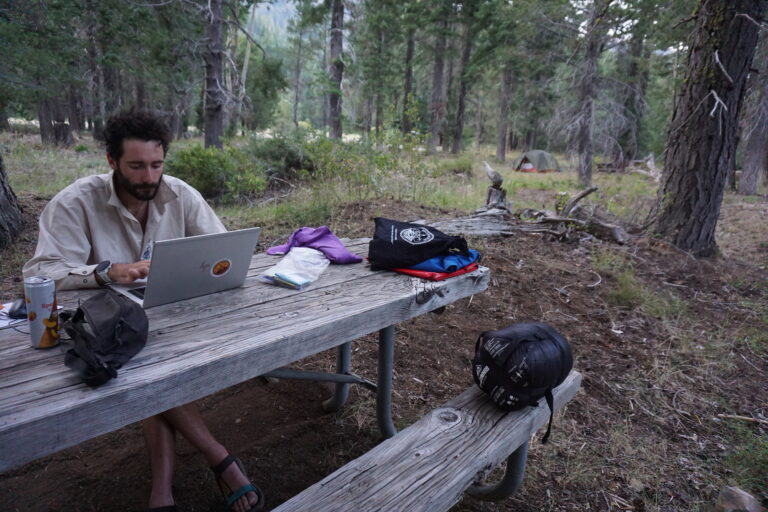
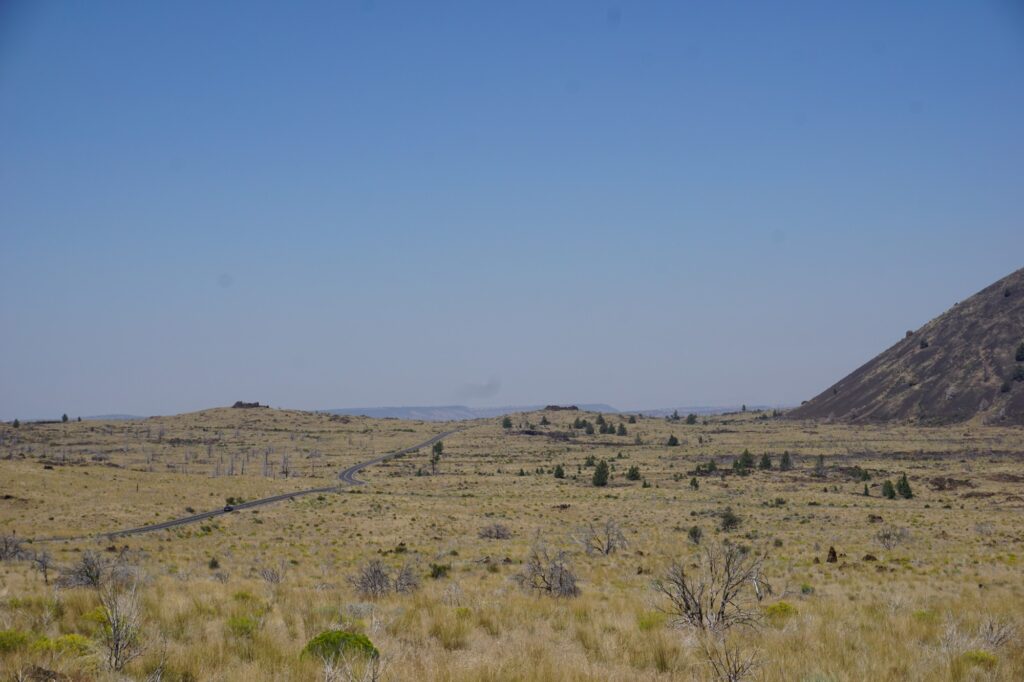
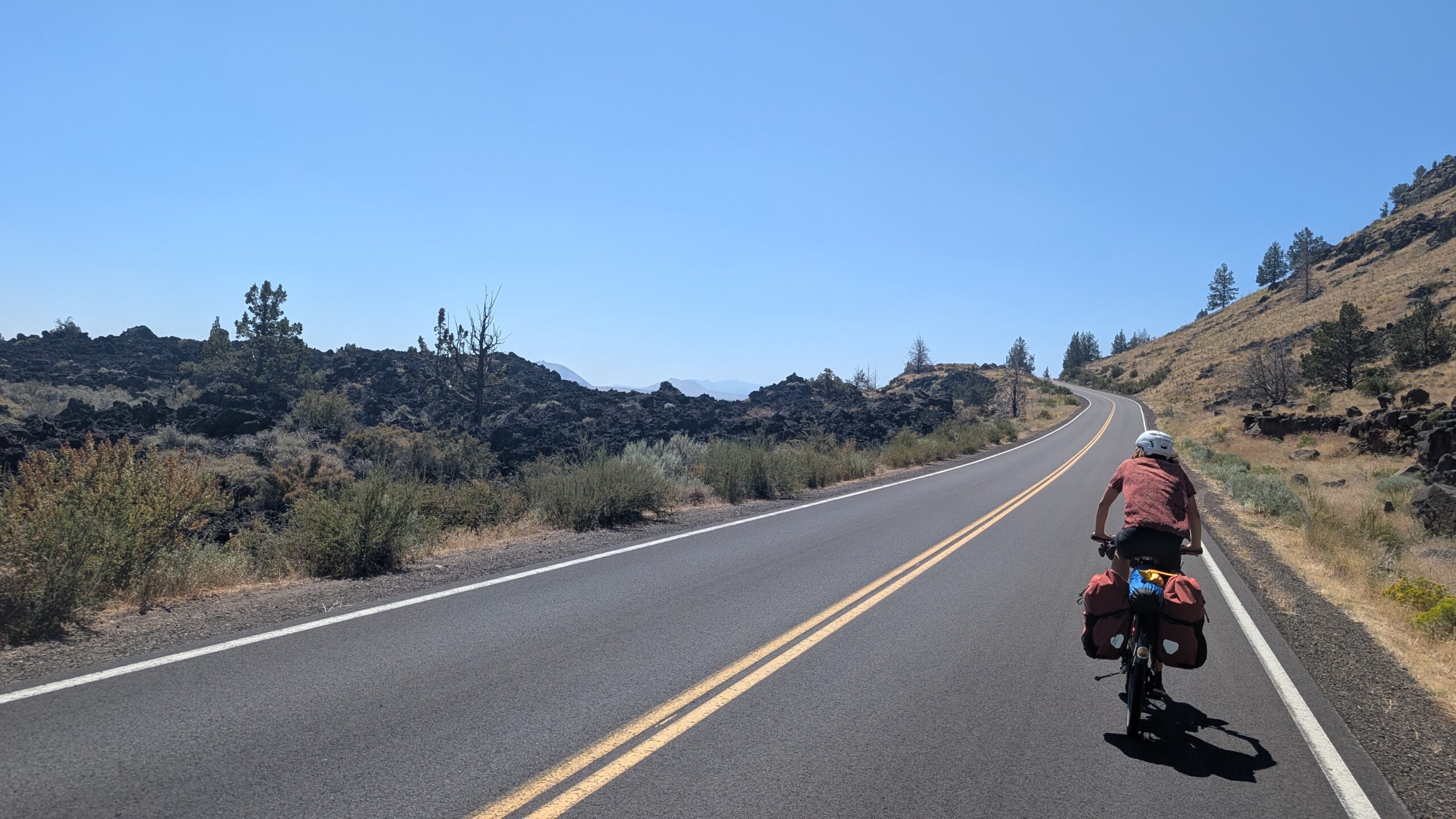
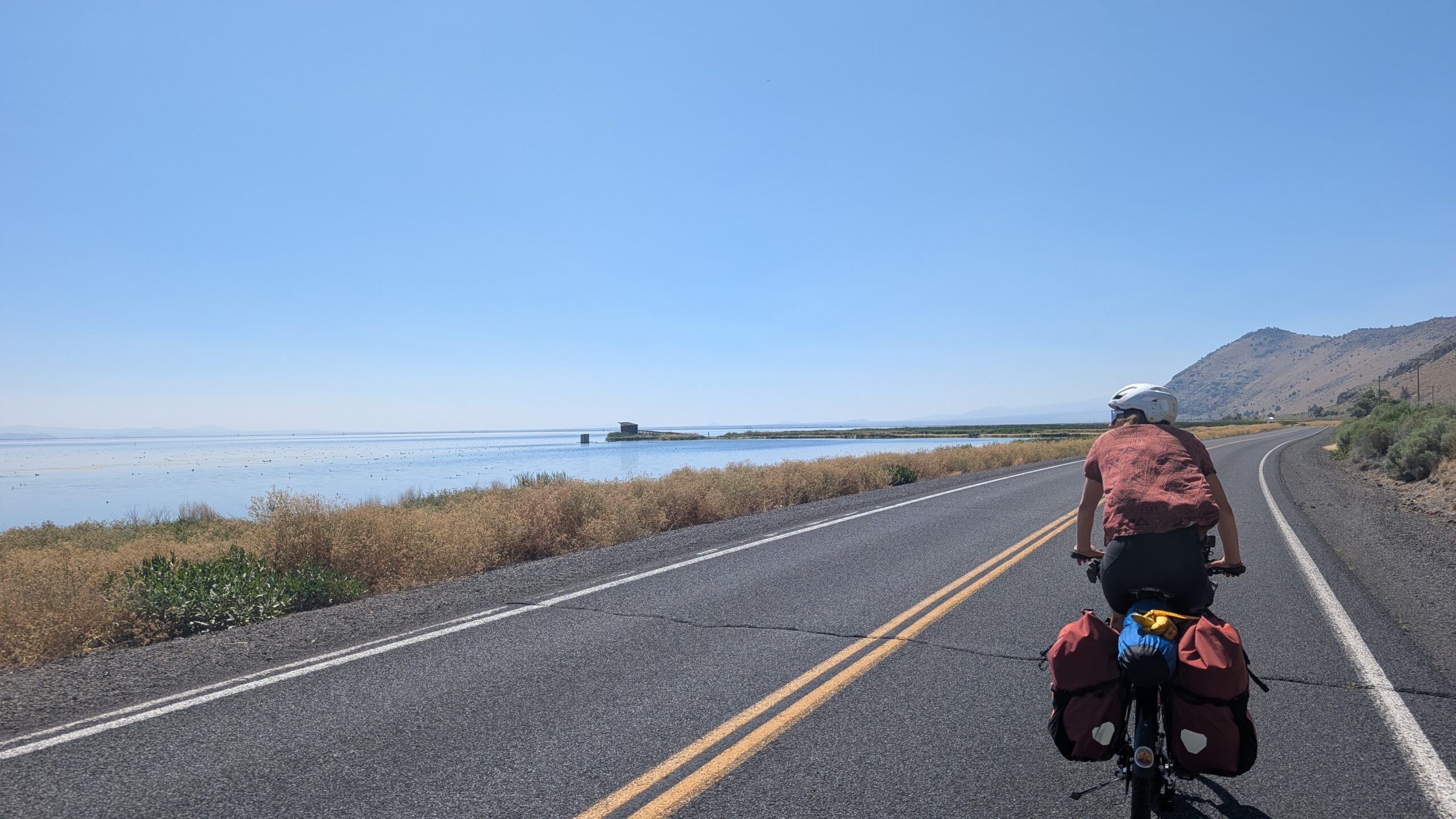
Since leaving Klamath Falls, Oregon, we have mainly had to cross the high desert plateaus in order to enter California, which I must say did not seem particularly welcoming at first. To describe it in a few words: an arid, volcanic land, leaving behind every passing car, truck or bicycle a cloud of red dust that coats all our clothes and equipment in a brick-red tint.
Looking at it from a different perspective, however, I saw a land made for adventure — a place that, for us little explorers, has the right recipe of harshness and mystery, not to mention solitude. Barely shaped by human hands, essentially because the land is rather barren and unproductive, one could almost imagine witnessing this original landscape — dry hills, few trees, tall grass — being crossed by the first Native Americans who came from the north some 12,000 years ago.
Since we are going to start this story here (1), I have to admit that I am fascinated by it. So let’s unravel it and see if we can make a little more sense of it.
If we rewind the clock just a little, 16,000 years BP (Before Present, as they say here), the first travellers driven by climatic changes crossed the Bering Strait from Asia and reached the American continent, in what is now Alaska. Around 12,000 BP, evidence of human presence was discovered in the “Sand Site” cave in Oregon, followed by the eruption of Mount Mazama around 7,700 BP, an event that still lives on in Native American legends. You know the place: what is now Crater Lake (2), formed when the volcano collapsed under its own weight, creating its caldera. The eruption was so immense that it covered the surrounding high plateaus with several metres of ash — at least according to Robert, a former firefighter and Air Force serviceman who lives at the foot of the mountain.
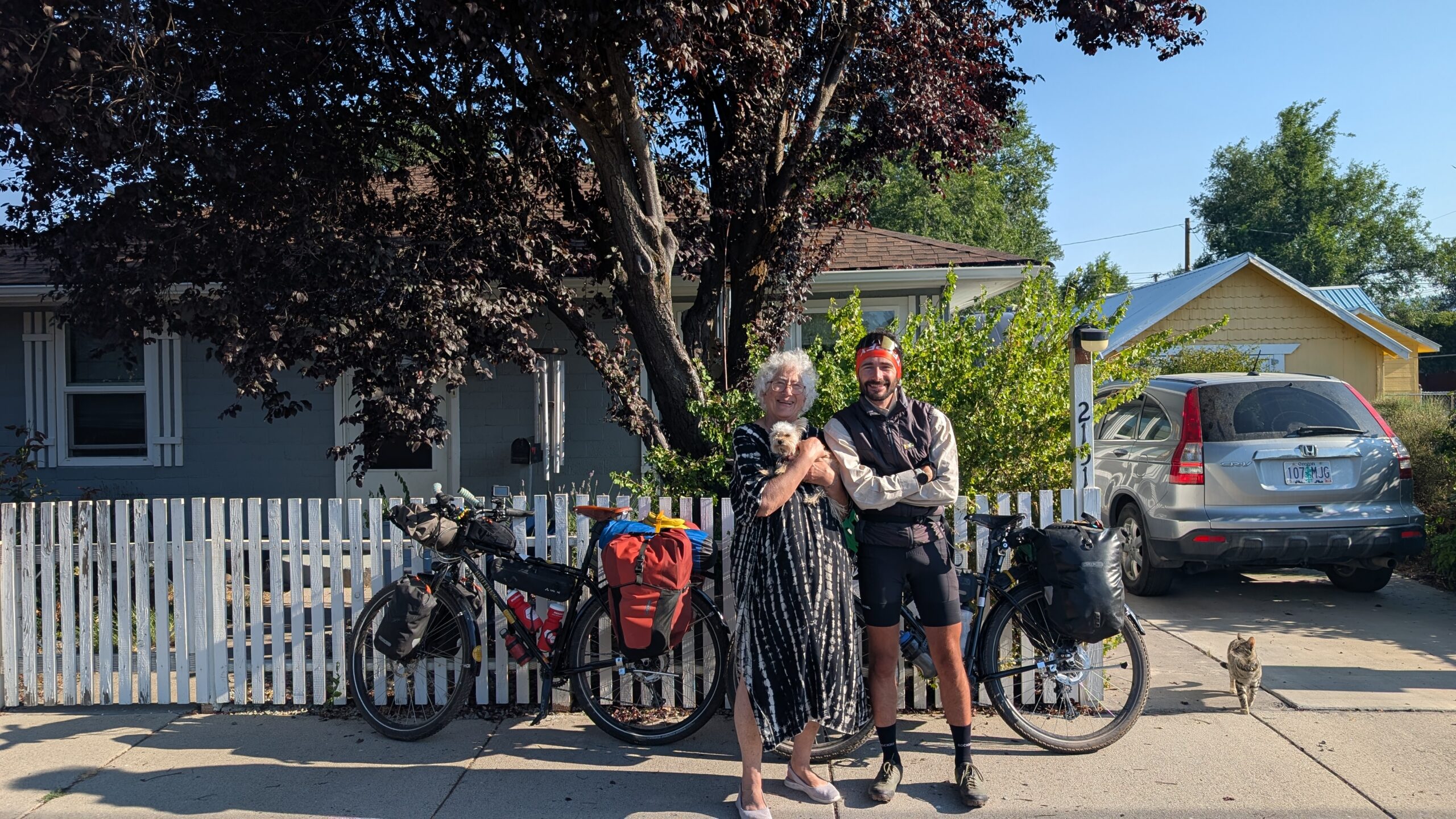
Then came the arrival of Europeans, in 1811, with the first settlement at Camp George (today Astoria), at the mouth of the Columbia River. Just three years later, beginning in 1814, the migration towards the West Coast started along the Oregon Trail, with hundreds of thousands of European settlers searching for untouched land. As Emily, our host in Oregon, briefly explained to us, at that time land in Europe belonged to emperors or monarchs rather than to ordinary people, which helps explain this relentless drive towards the New World. A few years earlier, on the other side of America, the Declaration of Independence had been signed on July 4, 1776.
You may ask, why go to the trouble of telling you all this? Simply to ask ourselves the following question: Where did the tribes and peoples who had inhabited these lands for 10,000 years before the arrival of the first Europeans in Oregon go? What happened to their culture, their languages, their lands? How many of them are there today, and where do they live? To quote Emily once again: they were dominated, defeated, massacred and forcibly moved to reservations, with rifles at their backs. These reservations were, in many cases, lands that nobody else could cultivate.
On July 4, 2026 — just a few days before our arrival in the United States — the country celebrated the 250th anniversary of its independence. Two hundred and fifty years to transform this territory into the country we know today. That represents, at most, a small ten generations. It is dizzying when compared with the 12,000 years during which their predecessors inhabited these lands. Perhaps the most tragic part of all this is that, judging from the small sample of conversations we have had with locals, surprisingly few people seem to know this history — their history. For us, inhabitants of the “Old Continent,” 250 years may seem almost insignificant. But here, in a way, their History begins on that date.
Food for thoughts…
This brief reflection has helped me understand a little more about the country whose roads we have set our wheels upon. And, surprisingly, it has added a fourth dimension to our journey: a temporal axis that we can travel along in every direction, without the slightest pedal stroke, simply through a conversation, a book, or a scientific article.
References
(1) Pacific University Libraries, LibGuides, Indigenous History of Oregon Timeline
https://pacificu.libguides.com/c.php?g=1050460&p=7794169
(2) Story of Crater Lake
Oregon Explorer – Story of Crater Lake
Wikipedia – Crater Lake
Text d’origine de Paul M en francais :
Cela est paradoxal d’écrire ces lignes sur un ordinateur dans la mesure où je suis assis à une table en bois dans un petit « campground », sans eau ni électricité, à 2 000 m d’altitude, à quelques kilomètres de ce monument touristique national qu’est le lac Tahoe.
Pour ma part (Paul), ces 3 dernières semaines n’ont pas été de tout repos. L’entrée en matière, pour parler des heures passées sur la selle de vélo, des levées aux aurores, de la chaleur étouffante du désert ainsi que des fumées de feux de forêt, a été plus rude et éprouvante que je ne l’aurais pensé. À contrebalancer cependant avec notre surprenante capacité d’adaptation aux éléments nommés précédemment, ce qui nous a redonné du poil de la bête ces derniers jours.
En effet, depuis notre départ de Klamath Falls (Oregon), nous avons principalement dû traverser les hauts plateaux désertiques afin de pénétrer sur le territoire californien, peu accueillant au premier abord, je dois dire. Pour le décrire en quelques mots : une terre aride et volcanique, laissant derrière tout passage de voiture, camion ou vélo un nuage de poussière rouge couvrant d’une teinte brique l’ensemble de nos habits et équipements.
Au second regard, j’y ai vu un territoire à aventure qui, pour nous petits explorateurs, possède la bonne recette de rudesse et de mystère, sans oublier la solitude. Quasiment peu façonné par l’homme, car fondamentalement plutôt stérile ou peu productif, on pourrait presque s’imaginer observer cette terre originelle (collines sèches, peu d’arbres, herbe haute) foulée par les premiers Amérindiens venant du nord il y a environ 12 000 ans.
Quitte à commencer cette histoire (1), je me dois de dire que je suis fasciné par celle-ci, autant la dérouler pour y voir un peu plus clair.
Si on rembobine un tant soit peu, 16 000 ans BP (Before Present, soit Avant Aujourd’hui, comme ils disent ici), les premiers « voyageurs climatiques » passent par le détroit de Béring, venant d’Asie, et arrivent en terre américaine sur ce que l’on appellera l’Alaska.
En l’an 12 000 BP, une trace de passage dans la grotte de « Sand Site » a été découverte dans l’Oregon, suivie de 7 700 BP avec l’éruption du mont Mazama, encore racontée dans les légendes des « Native Americans ». Mais si, vous savez, ce qui est aujourd’hui Crater Lake (2), formé par l’écroulement du volcan sur son propre poids, créant sa caldeira.
Son éruption était telle qu’elle a recouvert de plusieurs mètres de cendre l’ensemble des plateaux d’altitude autour du volcan — propos tenus par Robert, ex-pompier et soldat de l’Air Force, vivant au pied de la montagne.
S’ensuit l’arrivée des Européens en l’an 1811 avec le premier settlement, Camp George (aujourd’hui Astoria), à l’estuaire de la rivière Columbia.
Trois années plus tard, dès 1814, commence l’exode vers la côte ouest par l’Oregon Trail de centaines de milliers de colons européens cherchant une terre vierge. Car, comme nous l’a brièvement expliqué Emily, notre hôte d’Oregon, la terre en Europe appartenait en ce temps-là à un empereur ou monarque et non au peuple, expliquant rationnellement la fuite en avant de ce dernier vers cette Terre Nouvelle.
Quelques années auparavant, de l’autre côté de l’Amérique, en 1776, la Déclaration d’indépendance est signée le 4 juillet.
Pourquoi prendre la peine de vous raconter cette histoire, vous me direz ?
Simplement pour se poser la question suivante.
Mais bon Dieu, où sont passées les tribus, le peuple qui habitait les lieux 10 000 années avant l’arrivée des premiers Européens sur cette terre d’Oregon ? Et leur culture, leur langue, leurs terres ? Combien sont-ils aujourd’hui et où habitent-ils ?
Pour citer Emily de nouveau, ils ont été dominés, battus, massacrés et menés de force dans des réserves, fusils dans le dos (traduction de l’anglais). Ces réserves étant les terres que personne ne pouvait cultiver.
Le 4 juillet 2026, soit quelques jours avant notre arrivée sur le territoire des États-Unis, étaient célébrés les 250 ans de l’indépendance.
250 années pour transformer ce territoire comme nous le connaissons aujourd’hui, soit, pour le mieux, une petite dizaine de générations. C’est vertigineux si on le compare avec les 12 000 années qu’ont occupées leurs prédécesseurs.
Le plus tragique dans tout cela est que, d’après un échantillon faible de discussions avec des locaux, peu de personnes connaissent cette histoire, soit leur histoire.
Pour nous, habitants du « vieux continent », ces 250 ans paraissent dérisoires, mais ici, leur Histoire commence à cette date.
À méditer…
Cette mince réflexion m’a permis de saisir un peu plus le pays où l’on a mis nos roues et, de manière surprenante, de superposer une quatrième dimension de voyage, qui est cet axe temporel que l’on peut visiter en long et en large sans le moindre coup de pédale, au détour d’une rencontre, d’un livre ou d’un article scientifique.
References:
(1) Pacific University Libraries, LibGuides, Indigenous History of Oregon Timeline
Pacific University Libraries – Indigenous History of Oregon Timeline
(2) Story of Crater Lake
Oregon Explorer – Story of Crater Lake
Wikipedia – Crater Lake
I’m amazed at you two and your steadfastness and your joy! Joy in the planning and execution of this endeavor. I amazed by your commitment to your common goal!
I want to leave you with one of my favorite quotes from Robert Frost:
“Two roads diverged in a wood, and I-/
I took the One Less Traveled by,
And that has made all the difference. “
You have both traveled so far! I’m amazed and impressed. This has been the Real America, hopefully not the political one, nor the tourist one. Yes the far north east corner of California is dry high desert. And you survived! The climate here is the reason that the government sent German Prisoners of War and Japanese-American people to live in camps in this area during World War Two. And you’ve now made it half way down the great Sierra Nevada range, what the famous photographer Ansel Adams called the “Range of Light”. I was so happy to meet you and wish you a lovely time in beautiful scenery to come.
Hi Emily,
Thanks for those encouraging words!
We are today at Mono lake, and we will visit the Mono Lake Committee and a representative of the Indigenous Committee tomorrow.
All the very best,
Paul